Sales Funnels in 2026: What's Changed Since 2019
I wrote about sales funnels back in 2019. Here's what's changed since: privacy, AI-written copy, AI search and cheaper builds, plus what still works.
6 min read

Back in 2019, I wrote a post explaining what a sales funnel is and walking through the classic types: lead magnet funnels, webinar funnels, tripwires and the rest. Those posts are still on the site, tagged "from the archive".
A lot has changed since then. Some of it changed how funnels work. Some of it barely mattered. Here's my honest look at sales funnels in 2026: what's different, and what's exactly the same.
Quick refresher: what a sales funnel is
A sales funnel is the path someone takes from first hearing about you to buying from you. It's called a funnel because lots of people enter at the top and fewer make it to each next step. A classic version looks like: someone sees an ad, lands on a page, gives you their email for something free, gets a few follow-up emails and eventually buys.
That basic idea hasn't changed. What's changed is almost everything around it.
What's changed since 2019
1. Ad tracking got a lot harder
In 2019, a lot of funnels started with a very precisely targeted Facebook ad. Then in 2021, Apple's App Tracking Transparency (part of iOS 14.5) started asking iPhone users whether apps could track them across other apps and websites, and many people said no. Combined with privacy laws in Europe and a growing number of US states, ad platforms simply know less about people than they used to.
The result: targeting is broader, results are harder to measure and paid traffic generally feels less predictable. Ads still work, but "run an ad, watch the conversions roll in" is a lot less reliable than it was.
2. AI writes the copy now, for everyone
In 2019, writing a sales page, an email sequence and ad variations was days of work. Now an AI can draft all of it in an afternoon.
That's great, and it's also the problem. When everyone can generate polished, persuasive-sounding copy, polished copy stops standing out. What stands out now is what AI can't make up: real results, real stories, specific details and a recognizable voice. Use AI for drafts and variations, then make it sound like a real person who actually knows the thing they're selling.
3. Search changed
People used to find you by searching Google, clicking a result and landing on your blog post, which was the top of your funnel. Now Google often shows an AI-generated answer at the top of results, and lots of people ask AI chatbots instead of searching at all.
Many sites have seen fewer clicks from search because of it. Content still matters, but "write a generic blog post and wait for traffic" is weaker than ever. Content that's genuinely useful, specific and based on real experience has a better shot at being the thing people (and AI answers) point to.
4. Building a funnel got much cheaper
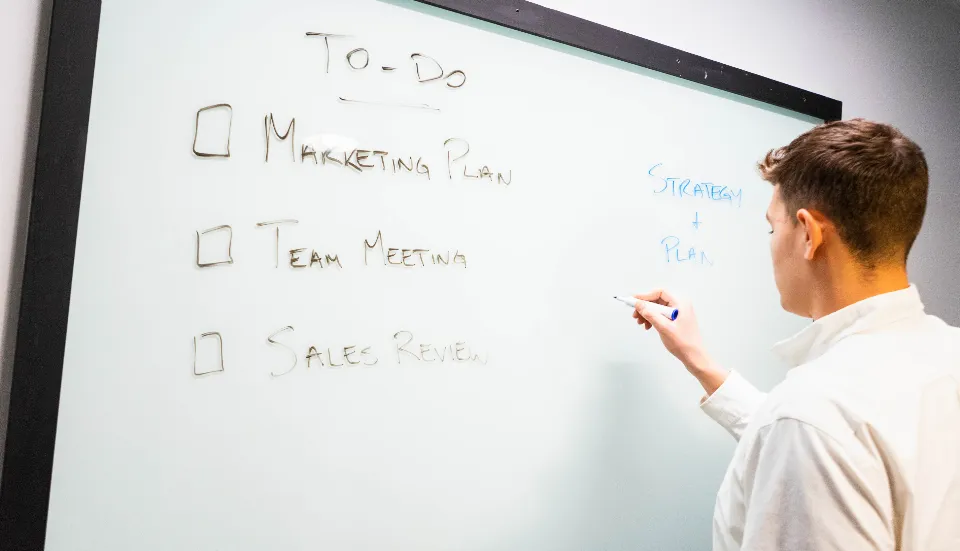
In 2019, most people used a dedicated funnel builder because building pages from scratch meant hiring a developer. Funnel builders are still around and still useful. But with AI coding assistants, you can now build a fast, custom landing page yourself in an afternoon and host it cheaply, or for free on a starter plan.
That lowers the cost of testing an idea. You can build a page, send some traffic to it and learn whether anyone cares before you invest in anything bigger. (If you want to try, here's how I'd go from idea to deployed website in a weekend.)
5. Short video became the top of the funnel
Short-form video on TikTok, Instagram Reels and YouTube Shorts barely existed as a marketing channel in 2019. Now it's where a lot of people first discover a brand or a creator. For many small businesses, the "ad" at the top of the funnel is now a genuinely useful 30-second video, not a paid placement.
What hasn't changed
For all of that, the fundamentals are the same as they were in 2019:
- People still need to trust you before they buy. Funnels work by building that trust in steps.
- Lead magnets still work. Something genuinely useful in exchange for an email address is still one of the best ways to start a relationship.
- Follow-up still makes the sale. Most people won't buy the first time they hear from you.
- Simple beats clever. A clear offer on a clear page still beats a complicated funnel with ten upsells.
If I were building a funnel today
Here's the short version of how I'd approach sales funnels in 2026:
- Own your audience. Treat your email list as the most important part of the funnel. Social platforms and ad networks can change the rules overnight. Your list is yours.
- Lead with useful content. Videos, guides or tools that actually help, so people come to you for more than an ad.
- Keep the funnel short. One clear lead magnet, one clear offer, a few genuinely helpful emails.
- Use AI for speed, not for substance. Let it draft and build. Make sure the claims, stories and voice are real.
- Measure what you can. Tracking is less precise than in 2019, so pay attention to the simple numbers: sign-ups, replies and sales.
The tools and channels will keep changing. The idea at the center of a funnel — help people first, earn their trust, then make an offer — hasn't changed since 2019, and I don't expect it to.
— Spencer
Share this post
Found this useful?
Get the next one in your inbox. No spam, unsubscribe anytime.